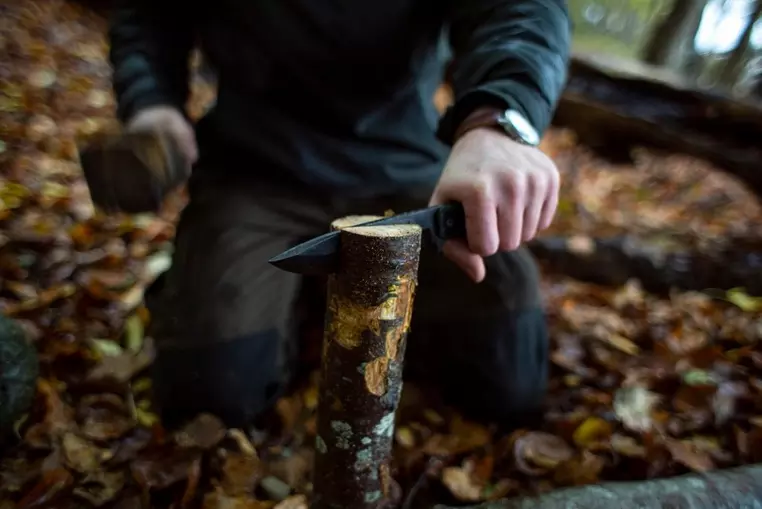
Ніж – це Ваш робочий інструмент, який завжди повинен бути напоготові. Догляд, правильна заточка, чищення та нормальні умови зберігання - необхідні абсолютно всім ножам, незалежно від їх призначення і матеріалів, з яких вони зроблені.
OSS KNIVES рекомендує дотримуватись простих, дієвих правил:
- Універсальних ножів не буває. По можливості, не використовуйте свої ножі для виконання завдань, до яких ріжучий інструмент не адаптований.
- Ні в якому разі, не носити (зберігати) голий ніж з іншими інструментами, аби виключити пошкодження ріжучої кромки.
- Очистити холодною водою, протерти насухо – основа гостроти. Про недопустимі залишки вчорашньої їжі говорити не буду. Будь-яка сталь завжди кородує під впливом харчових кислот і сильних лугів від миючих засобів і води.
- Слідкуйте, щоб Ваші ножі були гострими (тупі ножі не лише даремні, але й небезпечні).
- Невміла заточка – знищить ріжучу кромку.
- Намагайтеся не впустити ніж на кам'яну, мармурову або кахельну підлогу.
- Сколи на ріжучій кромці утворює контакт з невдало підібраною поверхнею нарізки. Ідеальний варіант – поверхня із натуральних матеріалів.
- Багато власників ножів зберігають їх у ножнах. Це не правильно. У піхвах (особливо шкіряних) накопичується волога. Саме піхви є однією з причин появи корозії на клинках. Ножі слід зберігати окремо від піхов або чохлів, загорнутими в промасленну тканину. Так Ви захистите свої ріжучі інструменти від попадання вологи і від окислення при контакті з повітрям.
- Час від часу ніж слід натирати та полірувати спеціальними мастилами для профілактики (н-д: лляне масло, віск ). Для клинків з дамаської сталі дане правило носить обов'язковий характер.